Gia Lai seeks to escape the ‘raw export trap’, aiming to become the capital of green Robusta coffee.
Not content with just being a source of raw materials, Gia Lai aims to elevate coffee production towards a green, circular, and transparent approach, gradually becoming a Robusta value center in the region.
Shaping new value for coffee beans.
In the context of transforming its growth model, Gia Lai’s coffee industry is facing the need to reposition its role on the world map.
Based on this reality, at the 2026 Investment Promotion Conference themed “Gia Lai – Transforming the Growth Model in the Digital Age,” Mr. Thai Nhu Hiep, Chairman of the Board of Members and General Director of Vinh Hiep Co., Ltd., and Vice President of the Vietnam Coffee and Cocoa Association, presented a strategic direction: transforming Gia Lai from a “growing region” into a “center of green and sustainable coffee value.”
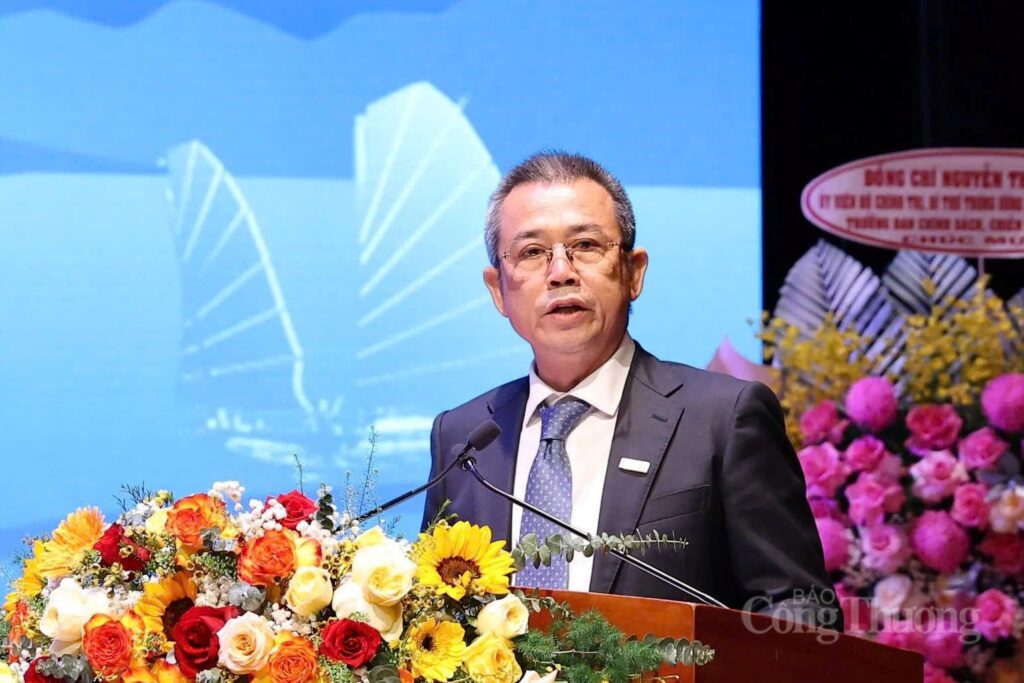
Mr. Thai Nhu Hiep believes that Gia Lai today is not only a major coffee-producing region in the Central Highlands, but is also facing a historic opportunity for transformation. With over 100,000 hectares of coffee plantations, an annual output of approximately 250,000 tons, and unique natural conditions, the province has the foundation to develop into a “capital” of high-quality, green, and responsible Robusta coffee.
However, according to Mr. Thai Nhu Hiep, inherent limitations are still hindering the industry’s progress. Low added value, heavy reliance on raw coffee exports, and an unsustainable supply chain are all contributing factors, while international markets are increasingly demanding green standards and traceability requirements.
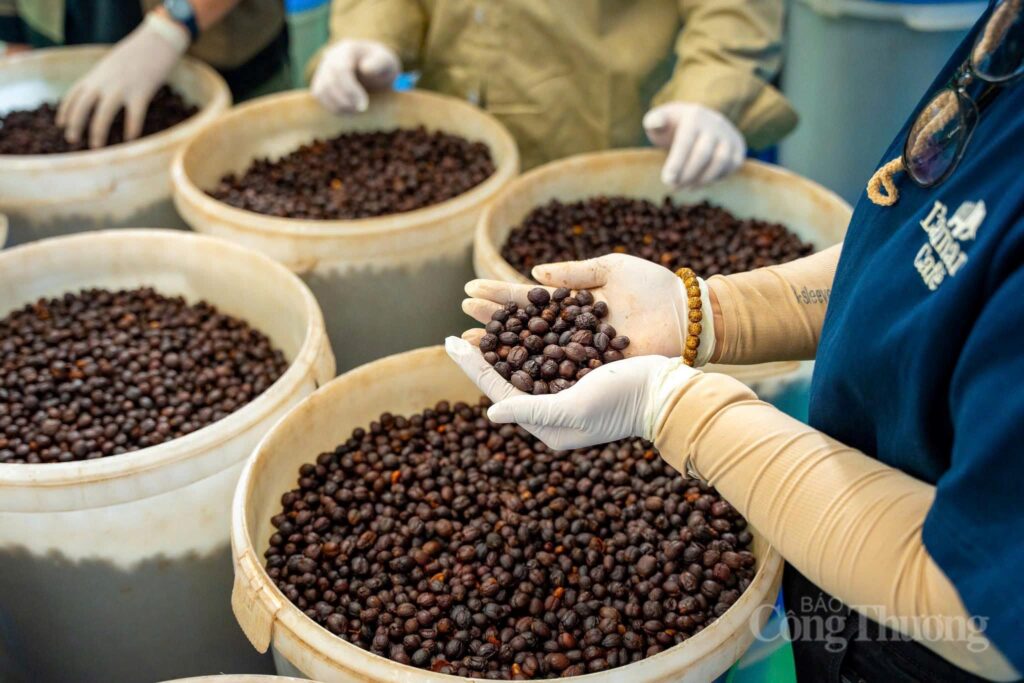
This highlights the urgent need to transform the development model towards a more fundamental and comprehensive approach. Beyond simply increasing production, the Gia Lai coffee industry needs to shift towards a value-creating mindset, brand building, and deeper integration into the global supply chain.
Building a green coffee ecosystem and reaching international standards.
According to Mr. Thai Nhu Hiep, based on that practical experience, Vinh Hiep Co., Ltd. has proposed a sustainable coffee development plan for the period 2026-2030 with a total investment of over 18,000 billion VND, aiming to form a complete ecosystem.
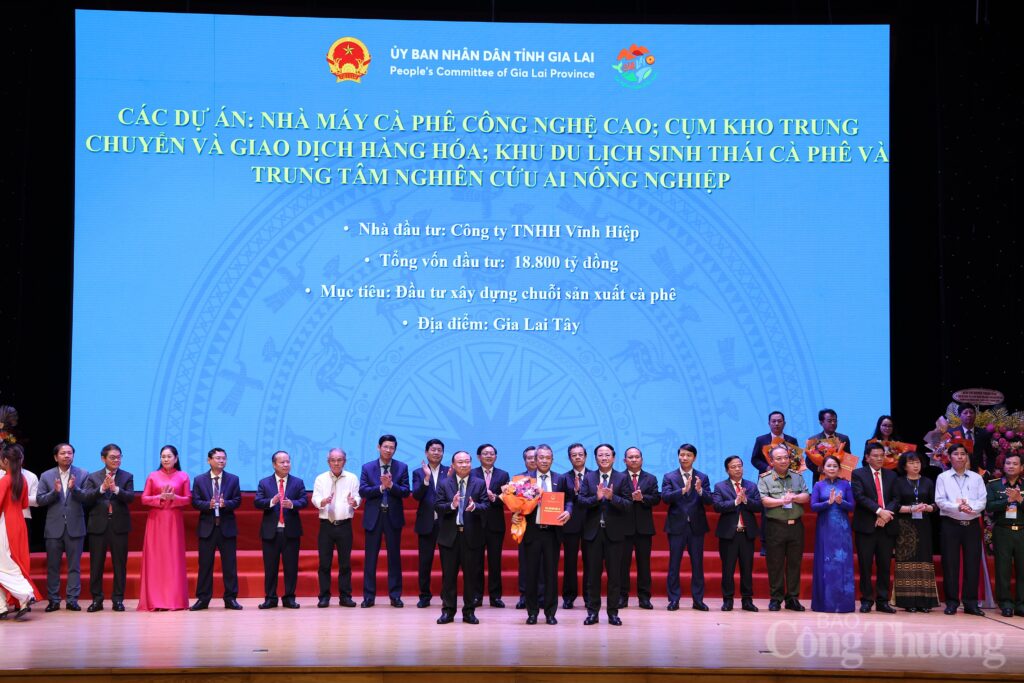
The project goes beyond production and encompasses the entire value chain: converging raw material areas from five Central Highlands provinces into Gia Lai to form a “Central Highlands Hub”; promoting deep processing to increase value; and building a central warehouse cluster and coffee trading floor according to international standards, enabling businesses and farmers to proactively manage prices.
Simultaneously, a coffee research institute is being established to promote digital transformation in agriculture, aiming to build a transparent and responsible industry. A circular economy model is also being established as a central axis, connecting coffee production to organic fertilizers, green energy, and experiential tourism.
Mr. Thai Nhu Hiep emphasized that each kilogram of coffee added to its value not only brings economic benefits but also contributes to sustainable poverty reduction for farmers.
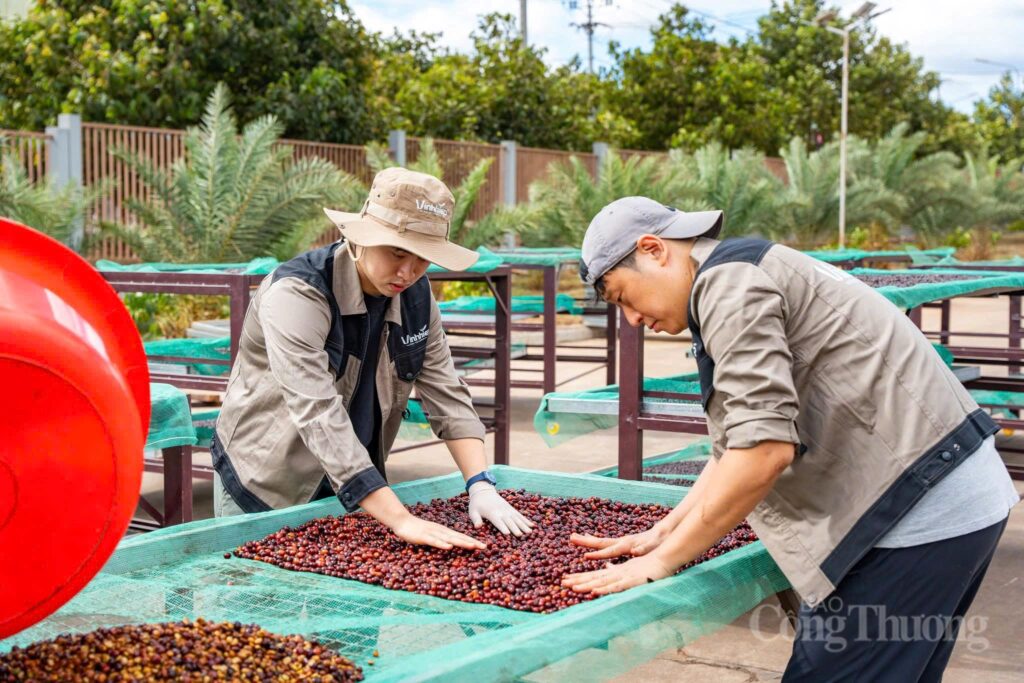
Notably, the connection of the Gia Lai – Phu My Port – Quy Nhon corridor is seen not only as a logistics solution, but also as a value corridor, expanding the development space for agricultural products in the Central Highlands and surrounding areas.
“With a commitment to long-term investment, focusing on farmers and adhering to international standards, businesses expect to work with the government to create a modern coffee ecosystem. If these ‘foundation stones’ are laid correctly from today, by 2030, Gia Lai could be recognized as a symbol of high-quality Robusta coffee on the world map,” Mr. Thai Nhu Hiep emphasized.
Vinh Hiep is a private enterprise that has been associated with Gia Lai for 30 years, with over 20,000 affiliated farming households, exporting coffee to more than 60 countries, accounting for over 12% of Vietnam’s Robusta coffee exports.
By Hien Mai
Source: congthuong.vn