
The US imposes tariffs of up to 209% on Vietnam’s key export item, causing nearly $1 billion in export revenue to evaporate.
Date: April 28, 2026
Combined with existing taxes, Vietnamese timber and wood products currently face tariffs of approximately 209% when exported to the United States.
According to data from the Vietnam Customs Department (Ministry of Finance), in the first three months of the year, Vietnam’s exports to the United States reached approximately $39 billion, a decrease of over $4.3 billion compared to the same period last year, equivalent to nearly 10%. Notably, the wood and wood products group recorded a decrease of nearly $1 billion, down to about $2 billion.
One of the reasons for the decline in exports to the US market is the increasing pressure from trade defense measures, especially anti-dumping duties.
Specifically, in early March, the US Department of Commerce (DOC) announced its preliminary findings in the anti-dumping investigation against plywood and decorative wood imported from Vietnam. Accordingly, the applicable duties for mandatory respondents range from 191.85% to 194.8%. Approximately 50 other businesses enjoy a separate tax rate of 193.32%, while the nationwide tax rate applied to the remaining businesses is also at a similar level.
According to Dan Tri Newspaper, Mr. Ngo Sy Hoai – Vice Chairman and General Secretary of the Vietnam Wood and Forest Products Association – stated that the high tax rate is significantly eroding the competitive advantage of wood processing and exporting businesses in the US market.
According to Mr. Hoai, combined with existing taxes, Vietnamese wood and wood products currently face a tax rate of approximately 209% when exported to the US. This is a very high rate, placing Vietnam among the countries subject to heavy taxes in this market, second only to China.
Mr. Hoai also predicted that, given the increasingly flexible use of trade defense tools by the US, the tax pressure on Vietnamese goods may continue to increase in the future.
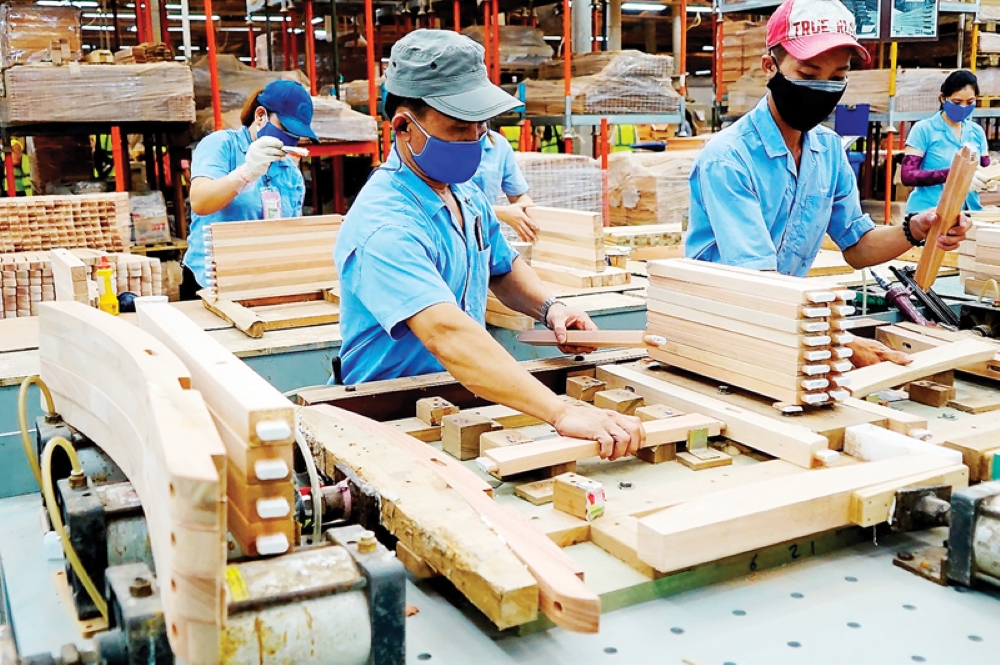
Currently, the United States has also initiated two Section 301 investigations against Vietnam, including: (1) systemic overcapacity in manufacturing and processing industries and (2) the use of forced labor in goods imported into the US.
Regarding this development, at the workshop on March 25, 2026, organized by ITPC in collaboration with VCCI-HCM and the Vietnam Institute for Innovation, Professor Tran Ngoc Anh stated that after the period of applying a 10% “temporary import surcharge” globally to protect the balance of payments, Washington is moving to a new phase by initiating a Section 301 investigation, immediately after the temporary tariff policy expires.
According to Professor Ngoc Anh, three main scenarios are possible. First, it is highly likely that the United States will officially impose tariffs under Section 301 at a rate of 20-30%. Secondly, if inflationary pressures and legal barriers increase, the policy may be scaled back, bringing tariffs down to normal levels. The other scenario is that both sides negotiate, with the US using tariffs as a tool to exert pressure and reach more favorable agreements.
Therefore, Mr. Ngoc Anh recommends that Vietnamese export-oriented manufacturing businesses proactively prepare, especially legally, to be ready to respond to the increasing number of trade investigations in the near future.
By Anh Nguyet – nguoiquansat.vn