Opening the Halal market: A great opportunity for Vietnamese food.
International experts offer suggestions for Vietnamese food products to penetrate the GCC and Southeast Asian markets, seizing the golden opportunity in the global Halal supply chain.
Halal – the “key” to bringing Vietnamese food to the world stage.
On the morning of April 3, 2026, a workshop themed “Halal Strategy: Connecting Vietnamese Food to the GCC and Southeast Asian Markets” was held in Ho Chi Minh City. The workshop was organized by the Ho Chi Minh City Trade and Investment Promotion Center (ITPC) in collaboration with the Ho Chi Minh City Food and Beverage Association (FFA), the Dubai Chamber of Commerce in Vietnam, and the Halal Certification Office of Vietnam (HCA VN).
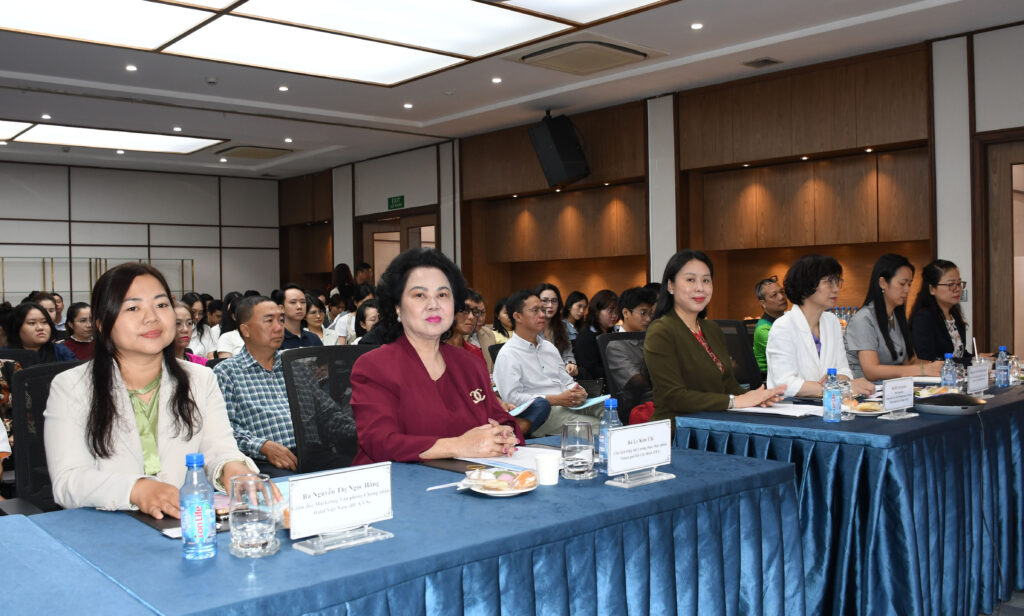
The event aimed to update on trends and requirements in the Halal market, while connecting Vietnamese businesses with partners, distributors, and certification bodies in the Gulf Cooperation Council (GCC) and Southeast Asia. This supported businesses in developing strategies, expanding exports, and participating more deeply in the global Halal supply chain. Furthermore, the workshop aimed to promote trade, attract investment, foster technological innovation, promote green production, and improve productivity and quality, contributing to the sustainable development of Vietnam’s food industry.
Speaking at the event, Ms. Ho Thi Quyen, Deputy Director of ITPC, emphasized: The Halal market is experiencing strong growth and is playing an increasingly important role in international trade. With a global scale exceeding US$2 trillion, Halal is no longer a niche market but has become a crucial pillar of global trade.
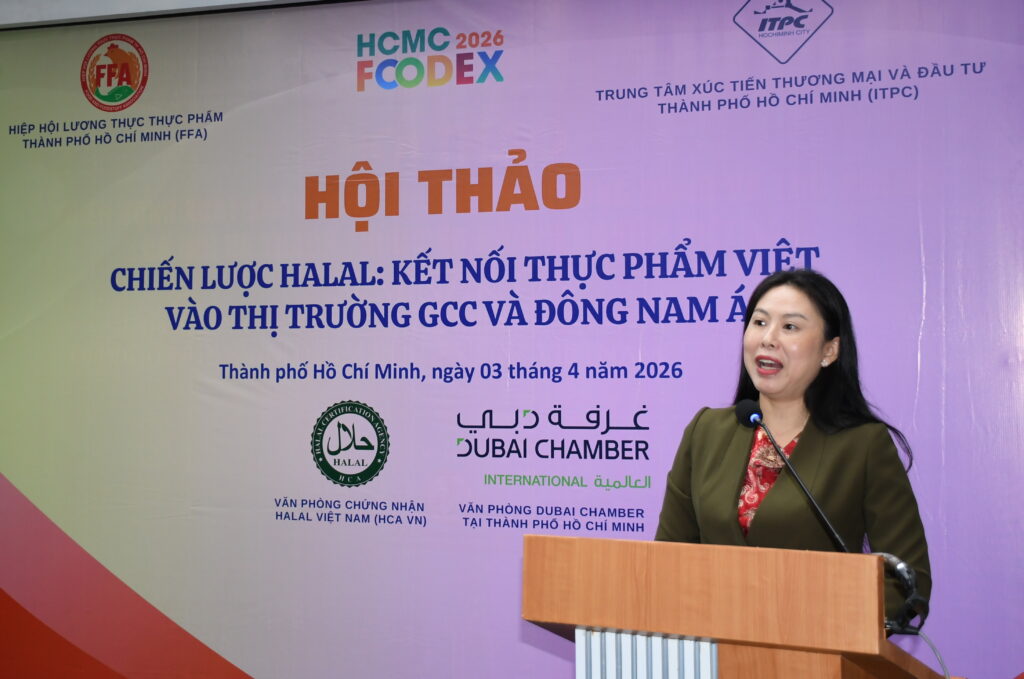
However, the Deputy Director of ITPC also pointed out the noteworthy fact that currently only about 0.2% of Vietnamese businesses have products certified Halal. This shows that there is still huge potential for development, but at the same time, it highlights the urgent need for thorough preparation. Accordingly, businesses need to invest seriously in standards, production processes, certification systems, and appropriate market access strategies.
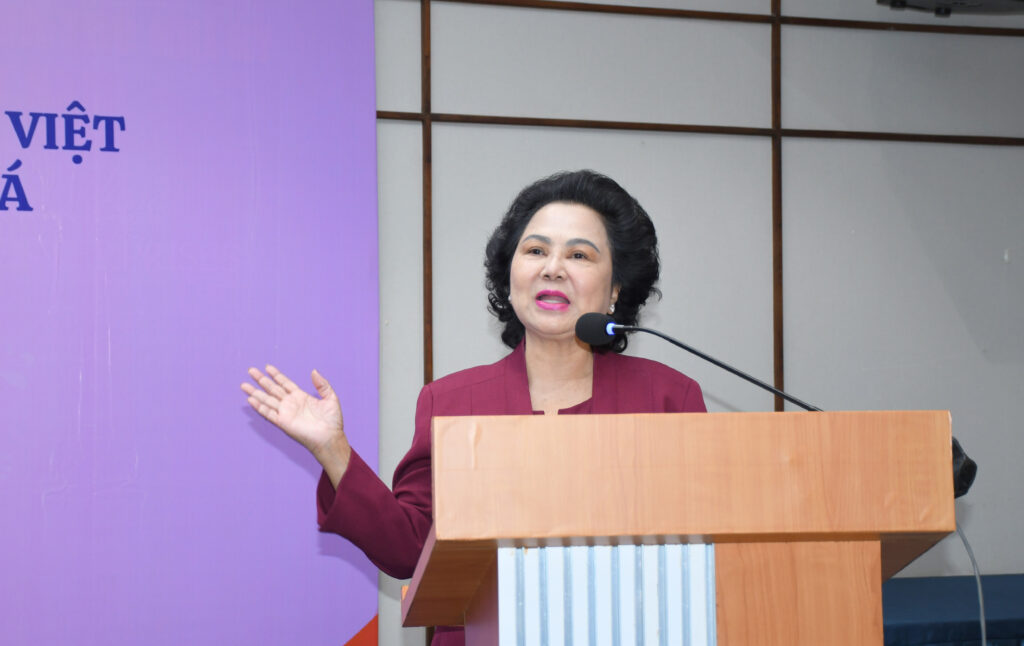
From a business perspective, Ms. Ly Kim Chi – President of FFA – commented: Halal is one of the fastest-growing markets today, with a large scale and increasingly high demands for quality and transparency in the supply chain. To participate deeply in this value chain, Vietnamese businesses not only need to raise awareness of Halal standards but also must invest comprehensively from production and management to brand building and long-term competitiveness.
Two strategic pillars of Vietnamese businesses.
Regarding the GCC market, Mr. Dinh Cong Tuan, Head of the Dubai Chamber Office in Vietnam, outlined the promising potential of Dubai as a global trade hub and transit center. Despite global economic fluctuations, Dubai has maintained impressive growth, with GDP increasing by 4.7% in the first three quarters of 2025, and leading the world in attracting FDI with 643 projects worth US$11 billion in the first half of the year alone.
According to Mr. Dinh Cong Tuan, with the Dubai Economic Agenda (D33) and its expanding network of international offices, Dubai is creating a favorable investment environment and playing a crucial role as a bridge helping Vietnamese businesses access the global market.
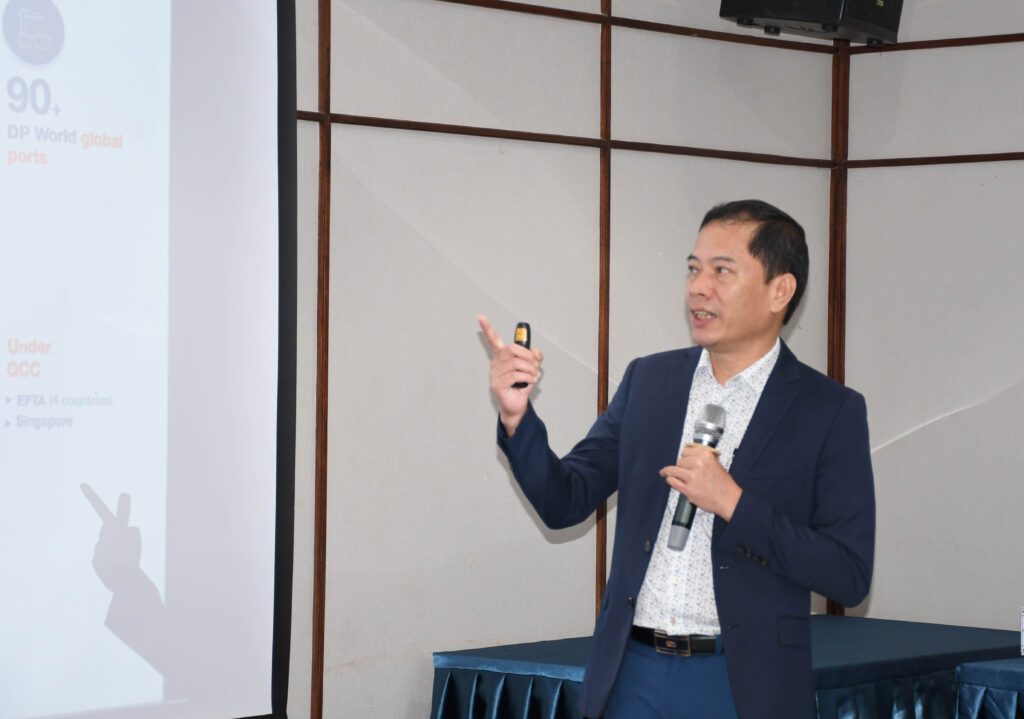
From a broader perspective, Mr. Truong Xuan Trung, Head of the Vietnamese Trade Office in the UAE, stated that the global Halal economy currently stands at approximately US$5 trillion and is projected to reach US$10 trillion by 2028. The Middle East is a key region, accounting for 62.5% of the market share, with an expected size of US$380 billion by 2030 and approximately 500 million Muslim consumers.
Notably, this region is heavily reliant on imports, with 85-90% of its food needs coming from abroad. This presents a significant opportunity for Vietnamese businesses, especially given Vietnam’s strengths in agricultural products and processed foods.
However, to capitalize on this opportunity, experts recommend that businesses quickly finalize their Halal certification, design packaging suitable for the local market (bilingual English and Arabic), and actively utilize e-commerce platforms, which account for over 80% of Halal consumer goods transactions in the region.
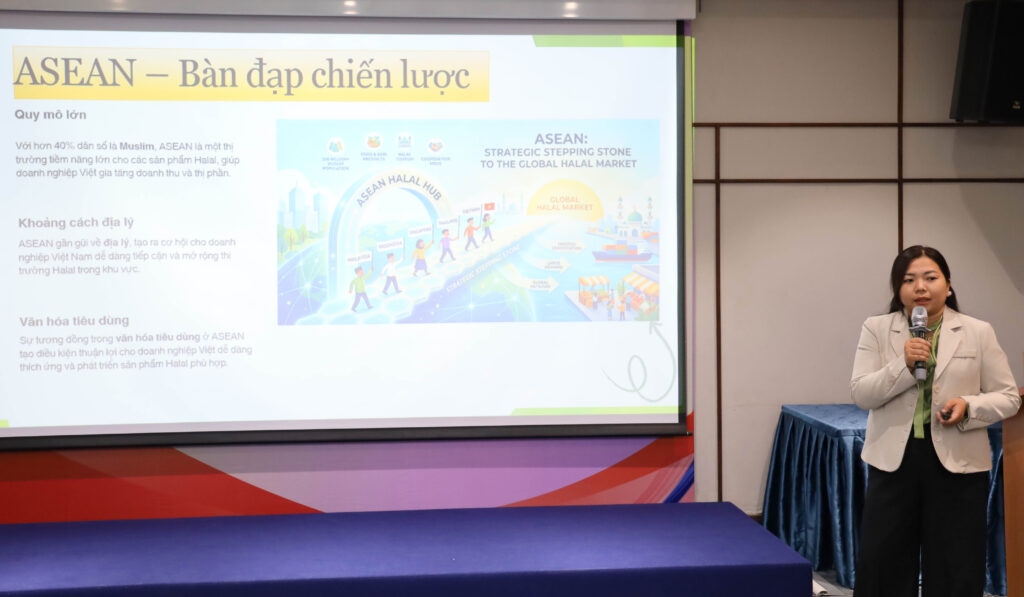
Simultaneously, ASEAN is considered a “strategic springboard” for Vietnamese businesses. According to Ms. Nguyen Thi Ngoc Hang, Marketing Director of HCA Vietnam, this region has a large market with a Muslim community accounting for over 40% of the population. In particular, Indonesia, the largest market in the region, has implemented mandatory Halal certification for all imported food and beverages.
Therefore, Vietnamese businesses need to urgently complete their certification registration before October 2026 to ensure legal compliance when exporting to this market.
From a practical perspective, Mr. Ta Xuan Hien, Vice Chairman of the Vietnamese Business Council in the UAE, emphasized that Halal certification should not only apply to the final product but must encompass the entire value chain, from raw materials and processing to transportation.
Strategically, Mr. Ta Xuan Hien recommended that businesses choose the UAE as their initial point of entry, viewing it as a transit gateway to expand into all six GCC countries. At the same time, there is a need to shift from a direct retail mindset to building a distribution system through importers and local partners in order to improve market penetration efficiency.
Representatives from ITPC and FFA affirmed their commitment to continuing to support businesses through trade promotion activities. They will also facilitate investment connections and market access, particularly in promising markets like Halal, contributing to the expansion of Vietnamese goods on the international trade map.
By Thanh Minh
Source: congthuong.vn