
How to Source Vietnamese Coffee for B2B Import in 2026: Robusta, Arabica, MOQ & Certifications
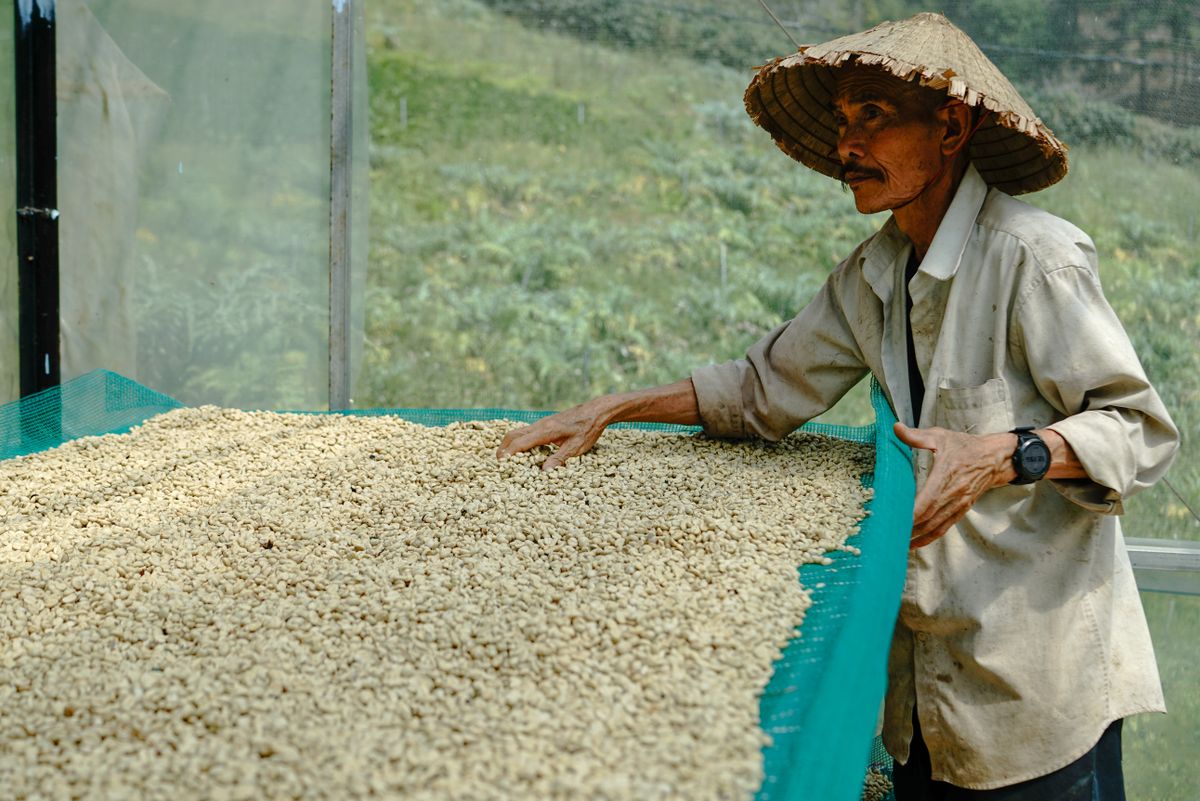
Date: June 28, 2026 | Category: Agricultural Sourcing Guides
In short: Vietnam is the world second-largest coffee producer and the largest Robusta supplier, with export revenue exceeding $8 billion in 2026. Robusta carries 2-2.7% caffeine versus 1.2-1.5% in Arabica, making it the backbone of espresso blends, instant coffee and functional beverages. Grades, MOQ and certifications are covered below.
Vietnam is the world’s second-largest coffee producer and the undisputed leader in Robusta — accounting for over 40% of global Robusta supply. In 2026, with global buyers actively diversifying away from single-origin dependency and tariff pressures reshaping supply chains, Vietnamese coffee has never been more strategically positioned. This guide gives B2B importers the practical knowledge to source directly from Vietnam with confidence.
Why Vietnamese Coffee Matters in 2026
Vietnam’s coffee export revenue exceeded $8 billion USD in 2026, driven by rising global demand and tighter supply from Brazil due to climate disruptions. For B2B buyers — whether you’re a roaster, distributor, or private label brand — sourcing from Vietnam means access to consistent volume, competitive pricing, and a maturing quality infrastructure.
The US-Vietnam trade framework (a tariff gap that persists after the February 2026 Supreme Court ruling – see our updated US tariff guide) has made Vietnam a preferred sourcing origin for American importers. Meanwhile, the VN-UAE CEPA that took effect in February 2026 opens a direct preferential trade corridor to the Gulf region — where coffee consumption is growing rapidly across Saudi Arabia, UAE, and Qatar.
Robusta vs Arabica: What B2B Buyers Need to Know
Robusta (Coffea canephora) — Vietnam’s dominant variety, grown primarily in the Central Highlands (Đắk Lắk, Lâm Đồng, Gia Lai). Robusta contains 2–2.7% caffeine (vs 1.2–1.5% in Arabica), making it ideal for espresso blends, instant coffee, and functional beverages. It delivers a strong, full-bodied flavour with lower acidity.
Arabica — smaller volume but growing. Found in higher-altitude regions like Sơn La and Cầu Đất (Lâm Đồng). Vietnamese Arabica offers floral and fruity notes suited to specialty and third-wave coffee buyers. If you’re building a premium private label line, this is worth exploring.
| Factor | Robusta (Vietnam) | Arabica (Vietnam) |
|---|---|---|
| Price | Lower | Higher |
| Caffeine | High (2–2.7%) | Moderate (1.2–1.5%) |
| Best For | Blends, instant, espresso | Specialty, pour-over, filter |
| Availability | Very high | Limited, seasonal |
| Certifications | Rainforest Alliance, 4C | USDA Organic available |
MOQ, Packaging & Lead Time — What to Expect
Understanding operational parameters before your first conversation with a Vietnamese supplier saves weeks of back-and-forth. Here’s what typical B2B orders look like:
- Minimum Order Quantity (MOQ): Green bean exports typically start at 1 FCL (Full Container Load = ~18–20 MT). Roasted and packaged private label products may start from 500–1,000 kg depending on the supplier.
- Packaging options: Jute bags (60 kg), GrainPro liner bags, vacuum-sealed foil pouches (for roasted), or custom OEM packaging for retail-ready products.
- Lead time: 4–8 weeks from order confirmation for standard green beans; 6–12 weeks for OEM roasted + packaged orders.
- Payment terms: Standard is 30% deposit, 70% before shipment. Established relationships may unlock Net 30 or LC (Letter of Credit) terms.
Key Certifications to Request from Your Supplier
Not all Vietnamese coffee suppliers operate at the same standard. Before committing to a purchase order, verify the following certifications depending on your target market:
- 4C (Common Code for the Coffee Community): The baseline sustainability standard for Robusta. Most export-grade Vietnamese coffee carries this.
- Rainforest Alliance: Required by many European and North American retail chains.
- USDA Organic / EU Organic: Needed if you’re targeting organic retail or specialty channels.
- ISO 22000 / HACCP: Food safety management — essential for processed or packaged coffee products.
- Halal certification: Critical if you’re distributing in the GCC (UAE, Saudi Arabia, Qatar) or Southeast Asian Muslim-majority markets.
Red Flags to Watch Out For
With Vietnam’s surge in export interest, some bad actors have emerged. In 2026, “China-washing” — repackaging Chinese-origin coffee with Vietnamese labels — is a documented issue. Here’s how to protect yourself:
- Always request a Certificate of Origin (Form B) from the Vietnam Chamber of Commerce and Industry (VCCI).
- Visit or commission a third-party factory audit before the first large order.
- Ask for traceability documentation linking the coffee to a specific growing region and harvest season.
- Avoid suppliers who cannot provide lab testing results (moisture content, defect count, cupping scores).
Getting Started: Your First Sourcing Conversation
When approaching a Vietnamese coffee supplier for the first time, come prepared with: your target volume (annual, not just first order), preferred variety and processing method (washed, natural, honey), packaging requirements, target markets and certifications needed, and your timeline. The more specific you are, the faster you’ll get accurate quotations.
At Viet Farm Vision, we work with established coffee-growing networks in the Central Highlands and can guide you from first inquiry through to delivery — including documentation support, quality checks, and OEM packaging options. Contact us to discuss your requirements →
Frequently Asked Questions
What is the difference between Vietnamese Robusta and Arabica?
Robusta contains 2-2.7% caffeine versus 1.2-1.5% in Arabica, with a stronger, more bitter profile ideal for espresso blends, instant coffee and functional beverages. Vietnam is the world largest Robusta producer.
How large is Vietnam coffee industry?
Vietnam is the world second-largest coffee producer, with export revenue exceeding $8 billion USD in 2026, driven by rising global demand and supply constraints in Brazil.
Do US importers get a tariff advantage sourcing coffee from Vietnam?
Vietnamese-origin goods are not subject to the Section 301 duties that apply to China, and the VN-UAE CEPA gives Gulf buyers preferential rates. US rates changed in early 2026 – see our US tariffs landed cost guide for the current picture.
What certifications should Vietnamese coffee suppliers have?
Export-grade processors typically hold HACCP or ISO 22000, with organic, Rainforest Alliance or similar certifications available for premium lines – always verify certificates with the issuing body.