
Florist card add-ons are small, giftable extras that sit beside bouquets and turn a single purchase into a fuller gift. Handmade quilled cards suit this role well, because their raised paper designs feel like part of the flowers rather than a rack item. This guide shows Australian flower shops how to choose, place and plan them.
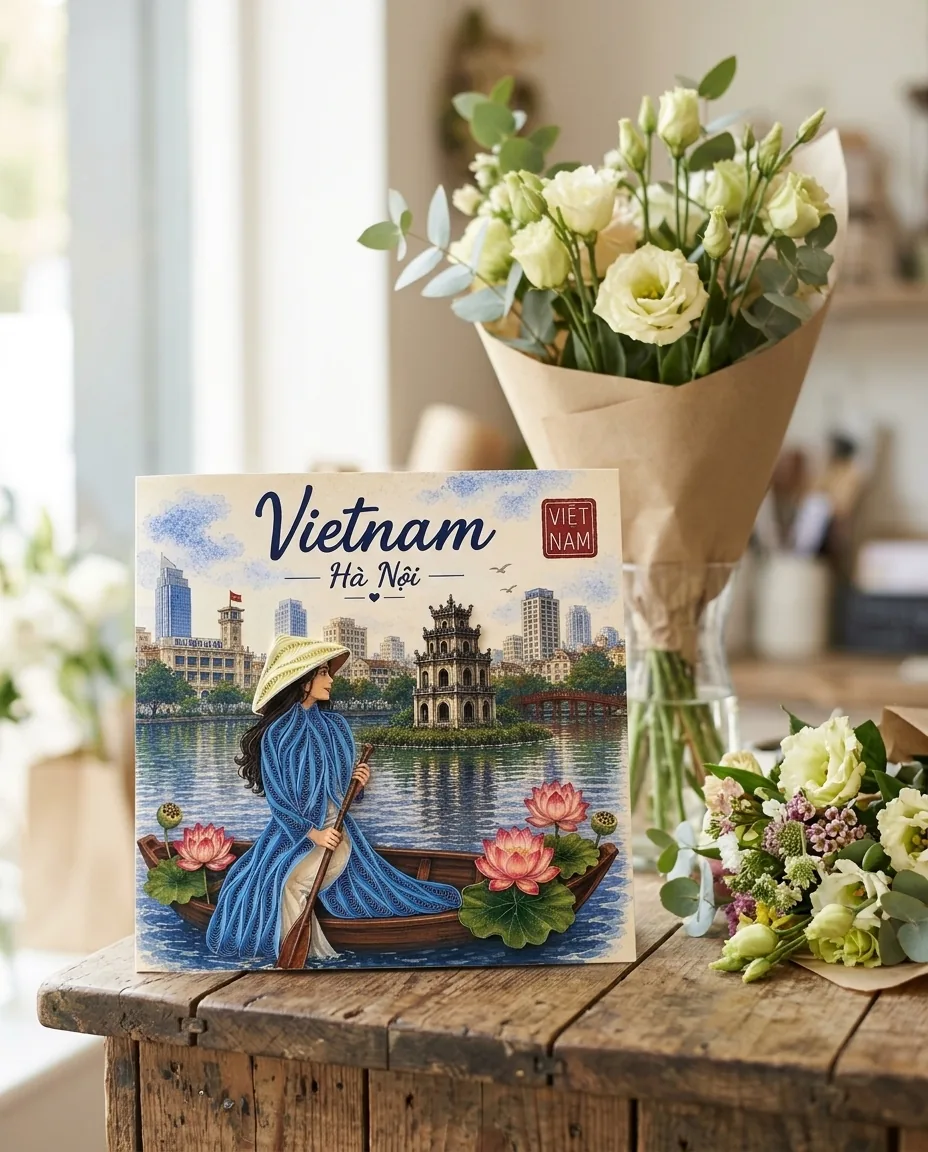
Why Do Cards Work as Add-Ons in a Flower Shop?
A customer buying flowers is already in a giving mood. They are thinking about the person receiving the bouquet, and a card is the natural next step. A card that looks and feels special costs the customer little extra but adds real value to the moment.
Quilled cards add something a printed card cannot: texture. Rolled paper strips create designs that rise off the surface, so the card reads as a small piece of craft. For a florist, that means the card matches the care you put into the bouquet.
Which Quilled Designs Fit a Florist’s Customers?
Start with what your counter already sells. Flower shops usually see three kinds of buyers: the romantic gift buyer, the family occasion buyer, and the sympathy or thank you buyer. Build your card range around those groups instead of buying a little of everything.
Floral designs that echo your stock
Cards with blooms such as roses, peonies, tulips or daisies feel natural beside fresh flowers. Pick a few that resemble flowers you sell most often. Customers often reach for a card that looks like the bouquet in their hand. For ideas on what each bloom says to the recipient, see our flower meanings guide for greeting cards.
Neutral occasion cards
Keep a smaller group of cards for birthdays, thank you, new baby and sympathy. These sell all year and smooth out the gaps between peak seasons.
Seasonal cards
Seasonal lines should be limited and chosen early. A tight selection of Valentine’s, Mother’s Day and festive cards is easier to display and easier to sell through than a wide one.
How Should a Florist Display Cards Next to Flowers?
Placement matters more than quantity. A few well-placed cards outsell a full rack in a back corner.
- At the till: a small stand of six to ten designs catches buyers while they pay.
- Beside ready-made bouquets: a card leaning against the vase makes the pairing obvious.
- In the order flow: for phone and online orders, offer a card as a standard add-on option with a photo.
- On a shelf with a timber or linen backdrop: soft natural surfaces help the paper detail stand out.
Good lighting helps raised paper show its depth.
When Should Australian Florists Plan Card Orders?
Australia has a different calendar from the Northern Hemisphere, and that is useful for planning. Christmas lands in summer, Valentine’s Day is a major flower date, and Mother’s Day falls in May. Handmade stock needs time for sampling, design choice and shipping, so the safest approach is to work backwards from each date and start the conversation early.
| Occasion | Date | Planning note |
|---|---|---|
| Christmas | 25 December 2026 | Very close now. Treat this season as a learning round and note which cards customers ask for. |
| Lunar New Year | 6 February 2027 | Relevant if your area has a strong Asian community. Choose symbols with care. |
| Valentine’s Day | 14 February 2027 | Best moment to confirm designs and sample now. |
| Mother’s Day (Australia) | Second Sunday of May | One of the biggest flower weeks, so plan the card range early. |
We do not promise fixed delivery times, because production and shipping depend on design, volume and season. The safest approach is to talk to us early and agree a plan that fits your date.
What Do Florists Need to Know About Importing Cards?
Importing handmade paper goods into Australia involves border rules, and these can change. Before you place an order, confirm requirements with your customs broker or check the official site of the Australian Border Force. We keep a separate walkthrough in our guide to importing quilling cards into Australia.
Cards are usually sent by air, which suits smaller florists who want to start with a modest range and reorder later. Small first orders are welcome.
How Do You Start With a Small Trial Range?
- Look at your sales. Note which bouquets and occasions sell best.
- Choose 8 to 12 designs. Mix floral, everyday and one seasonal group.
- Ask for photos and samples. Check paper detail, edges and envelope fit.
- Decide on branding. Private label options such as your shop name on the back can make the card feel exclusive.
- Track results for a season. Reorder what sold, replace what did not.
This keeps risk low and lets you learn what your own customers prefer. Our guide on sourcing quilled cards for florists goes deeper on the buying side.
Frequently Asked Questions
Can a florist add private label branding to cards?
Yes, our partner workshops can work with your shop name or logo on the back of the card. Ask for details when you request a quote.
Are quilled cards fragile in a shop environment?
Raised paper designs need sensible handling, but they are fine on a stand or counter. Keep them away from damp areas and heavy stacking.
Can I order just a few designs to begin?
Small first orders are welcome. Starting with a short range lets you see how customers respond before you commit to more.
Do cards suit sympathy and funeral flowers too?
Yes. Quiet floral designs in soft colours work well for sympathy orders, and many florists keep a few on hand all year.
How far ahead should I plan for Mother’s Day?
As early as you can, so samples and design choices are not rushed. Contact us well before the date and we will help you plan around it.
Ready to Pair Handmade Cards With Your Flowers?
If you would like to see how quilled cards could sit beside your bouquets, browse our handmade greeting cards or send us your plans through the request a quote page. We will help you shape a small first range.